Reading 1: Celebrations Around the WorldPeople worldwide enjoy different festivals and celebrations that bring families and communities together, creating feelings of happiness and togetherness. These events show traditions, values, and the importance of respecting different cultures.
In Japan, people celebrate Hanami, which means “Flower Viewing.” Every spring, families gather warmly under cherry trees. They make careful preparations, such as picnics with rice balls and sweets. They exchange stories, take memorable photos, and appreciate the beauty of nature. This joyful event highlights harmony with nature and simple pleasures.
India’s Kite Festival marks the change of season with excitement. Families decorate colourful kites and prepare sweet snacks. They are careful not to waste food by planning the right amounts of what they need to eat. Flying kites helps strengthen family bonds and friendships. Children eagerly compete to keep their kites flying the longest, creating a friendly atmosphere of fun.
In Russia, the White Nights Festival celebrates long summer days. Organisers plan concerts and fireworks, creating exciting activities around the city. People exchange smiles and experiences, enjoying each other’s company. Everyone participates actively, making this festive occasion memorable and joyful.
China’s Mid-Autumn Festival is important for family unity. Families start preparations by cleaning homes and baking mooncakes, pastries with a sweet filling. They respectfully light lanterns, gather under the full moon, and share stories. This tradition reminds people to appreciate their loved ones.
Celebrations around the world help us learn about different cultures and respect them. They teach us to live respectfully, enjoy life, and stay connected. Each celebration brings people together happily and makes our lives richer.
يستمتع الناس حول العالم بمهرجانات واحتفالات مختلفة تجمع الأسر والمجتمعات معًا، وتخلق مشاعر السعادة والتآلف. تظهر هذه المناسبات التقاليد والقيم وأهمية احترام الثقافات المختلفة.
في اليابان، يحتفل الناس بمهرجان هانامي، والذي يعني "مشاهدة الزهور". في كل ربيع، تجتمع الأسر بحرارة تحت أشجار الكرز. يقومون بتحضيرات دقيقة، مثل إعداد النزهات التي تحتوي على كرات الأرز والحلويات. يتبادلون القصص، ويلتقطون صورًا تذكارية، ويقدرون جمال الطبيعة. يبرز هذا الحدث السعيد الانسجام مع الطبيعة والاستمتاع بالملذات البسيطة.
يُعد مهرجان الطائرات الورقية في الهند علامة على تغير الفصول ويتميز بالحماس. تقوم الأسر بتزيين الطائرات الورقية الملونة وتحضير الوجبات الخفيفة والحلويات. يحرصون على عدم هدر الطعام من خلال التخطيط للكميات المناسبة لما يحتاجون إلى تناوله. ويساعد إطلاق الطائرات الورقية على تقوية الروابط الأسرية والصداقة. يتنافس الأطفال بحماس للحفاظ على طائراتهم في الهواء لأطول فترة ممكنة، مما يخلق جوًا وديًا من المرح.
في روسيا، يحتفل الناس بمهرجان الليالي البيضاء الذي يكرم أيام الصيف الطويلة. ينظم القائمون على المهرجان حفلات موسيقية وعروض الألعاب النارية، ويخلقون فعاليات مشوقة في جميع أنحاء المدينة. يتبادل الناس الابتسامات والتجارب، ويستمتعون بصحبة بعضهم البعض. يشارك الجميع بنشاط، مما يجعل هذه المناسبة الاحتفالية ذكرى لا تُنسى ومليئة بالفرح.
يُعد مهرجان منتصف الخريف في الصين مناسبة مهمة لوحدة الأسرة. تبدأ العائلات التحضيرات بتنظيف المنازل وخَبز كعك القمر، وهي فطائر محشوة بحشوة حلوة. يقومون بإضاءة الفوانيس باحترام، ويتجمعون تحت ضوء القمر الكامل، ويتبادلون القصص. تذكّر هذه العادة الناس بأهمية تقدير أحبائهم.
تساعد الاحتفالات حول العالم في التعرف على الثقافات المختلفة واحترامها. فهي تعلمنا أن نعيش باحترام، ونستمتع بالحياة، ونحافظ على الروابط بيننا. كل احتفال يجمع الناس بسعادة ويجعل حياتنا أكثر غنى.
Reading 2: Celebrating Ramadan in KuwaitRamadan is a special month for Muslims. It includes many religious practices, such as fasting and prayers, that bring people closer to their faith and each other. It also includes social and fun gatherings that help everyone feel part of a caring community. At the end of Ramadan, people celebrate Eid Al-Fitr, marking the conclusion of fasting.
In Ramadan, people cheerfully welcome guests at Iftar: the first meal that is eaten at sunset, or at ghabga: the second meal that is eaten at evening. Guests typically accept what is offered as a sign of respect and gratitude. A well-mannered person always accepts food and drinks politely. People in Kuwait often share their food by sending neqsa, a small part of the meal, to neighbours, loved ones, and those in need. This tradition teaches the values of generosity, respect, and care for others.
Muslims, in Ramadan, perform special prayers called Taraweeh every night after the Isha prayer. They also spend more time reading the holy Qur’an. People visit relatives to strengthen bonds and give Zakat, a charitable donation, to help those in need. These religious practices help people grow stronger in their faith and feel closer to Allah.
One of the most thrilling traditions during Ramadan is Gergee’an. Children wear colourful clothes and walk joyfully from house to house with their friends. They sing cheerful songs and collect sweets and nuts from neighbours. Gergee’an is more than just fun; it shows the importance of sharing, friendship, and community spirit. Finally, as soon as Ramadan ends, people start celebrating Eid Al-Fitr. They dress nicely, visit relatives and friends, and give away money to their loved ones and those in need.
Celebrations in Kuwait are filled with life and meaning. They are not only about food and fun, but also about values. They teach us kindness, respect, tolerance, and unity.
رمضان هو شهر مميز للمسلمين، حيث يتضمن العديد من الممارسات الدينية مثل الصيام والصلاة التي تقرّب الناس من إيمانهم ومن بعضهم البعض. كما يشمل تجمعات اجتماعية وترفيهية تساعد الجميع على الشعور بأنهم جزء من مجتمع متكاتف ومهتم. وفي نهاية شهر رمضان، يحتفل الناس بعيد الفطر الذي يعلن انتهاء فترة الصيام.
في رمضان، يستقبل الناس الضيوف بترحيب في الإفطار، وهو أول وجبة تُتناول عند غروب الشمس، أو في الغبقة، وهي الوجبة الثانية التي تُتناول في المساء. وعادةً ما يقبل الضيوف ما يُقدَّم إليهم كدليل على الاحترام والامتنان. والشخص المهذب دائمًا يتقبل الطعام والشراب بأدب. وغالبًا ما يشارك الناس في الكويت طعامهم بإرسال "النقصة"، وهي جزء صغير من الوجبة، إلى الجيران والأحباء والمحتاجين. وتعلّم هذه العادة قيم الكرم والاحترام والعناية بالآخرين.
يؤدي المسلمون في رمضان صلوات خاصة تُسمى التراويح كل ليلة بعد صلاة العشاء، كما يقضون وقتًا أطول في قراءة القرآن الكريم. ويزور الناس أقاربهم لتعزيز الروابط الأسرية، ويقدمون الزكاة، وهي صدقة لمساعدة المحتاجين. وتساعد هذه الممارسات الدينية الناس على تقوية إيمانهم والشعور بالقرب من الله.
من أكثر التقاليد إثارة خلال شهر رمضان هو تقليد القرقيعان. يرتدي الأطفال ملابس ملونة ويسيرون بفرح من بيت إلى بيت مع أصدقائهم. يغنون أغاني مبهجة ويجمعون الحلوى والمكسرات من الجيران. ويعد القرقيعان أكثر من مجرد متعة؛ فهو يعكس أهمية المشاركة والصداقة وروح المجتمع. وأخيرًا، ما إن ينتهي شهر رمضان، يبدأ الناس الاحتفال بعيد الفطر. يرتدون أجمل الملابس، ويزورون الأقارب والأصدقاء، ويقدمون المال لأحبائهم ولمن يحتاج إليه.
الاحتفالات في الكويت مليئة بالحياة والمعاني. فهي ليست فقط عن الطعام والمرح، بل أيضًا عن القيم. إنها تعلمنا اللطف، والاحترام، والتسامح، والوحدة.
Match each word with its meaning.
صل كل كلمة بمعناها.
- celebration = احتفال
- preparation = تجهيز
- joyful = سعيد - مرح
- togetherness = الترابط
- appreciate = يقدر
- harmony = انسجام
- warmly = بحرارة - بحب شديد
Match each word with its meaning.
صل كل كلمة بمعناها.
- festive = مرح
- eagerly = بشغف - بشوق
- strengthen = يقوي
- exchange = يتبادل
- waste = يهدر - يضيع
- respectfully = باحترام
Match each word with its meaning.
صل كل كلمة بمعناها.
- cheerfully = بمرح
- include = يتضمن
- well-mannered = حسن السلوك
- typically = عادةً - تقليدي
- sign = إشارة
- gratitude = شكر - امتنان
Match each word with its meaning.
صل كل كلمة بمعناها.
- community = مجتمع
- thrilling = مثير
- collect = يجمع
- generosity = الكرم
- religious = ديني
- tolerance = تقبل الآخرين - تسامح
Look at the picture and answer: What are the kids doing?
انظر للصورة وأجب: ماذا يفعل الأولاد؟
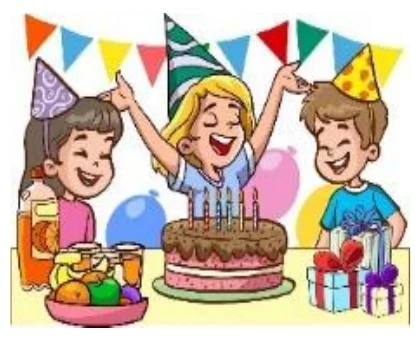
- They are having Iftar in Ramadan.
- They are flying kites.
- They are celebrating a birthday.
- They are watching fireworks.
What do we usually celebrate in Kuwait? Choose all correct answers.
ماذا نحتفل عادةً في الكويت؟ اختر كل الإجابات الصحيحة.
- The National Day
- The White Nights Festival
- Ramadan
- Hanami
- Eids
Complete the diagram about celebrations and the activities within: is it a celebration or an activity?
أكمل الرسم التخطيطي عن المناسبات والفعاليات فيها: هل هو احتفال أم نشاط؟
- Hala February = Celebrations
- Eid Al Fitr / Al Adha = Celebrations
- Weddings = Celebrations
- Graduation / Birthdays = Celebrations
- shopping = Activities
- Visiting relatives = Activities
- Dancing – big dinner = Activities
- Giving gifts – baking cake = Activities
The best title of the passage is....
أفضل عنوان للنص هو...
- White Nights Festival of Russia
- Flower Viewing Celebration in Japan
- Celebrations, Joyful Times
- Kites Celebration in India
What do celebrations show us?
ماذا تُظهر لنا الاحتفالات؟
- They show how to fly kites, bake mooncakes, and light lanterns.
- They show traditions, values, and respect for different cultures.
- They show that people should stay at home alone and quiet.
- They show how to waste food, time, and money on fun.
Why do people of India have Kites Festival?
لماذا يحتفل شعب الهند بمهرجان الطائرات الورقية؟
- It celebrates long summer days.
- It marks the end of fasting.
- It marks the change of season.
- It celebrates the full moon.
How can we relate celebrations to cultures?
كيف يمكننا ربط الاحتفالات بالثقافات؟
- They make us forget about different cultures and their values.
- They show us that only one culture is important in the world.
- They stop us from learning about cultures and respecting them.
- They help us learn about different cultures and respect them.
What do different celebrations teach us?
ماذا تُعلّمنا الاحتفالات المختلفة؟
- They teach us to live respectfully, enjoy life, and stay connected.
- They teach us to waste food and money.
- They teach us to stay away from our families.
- They teach us to compete and fight with others.
One of the following statements is NOT TRUE.
واحدة من العبارات التالية ليست صحيحة.
- Celebrations make people stressed and angry
- White Nights Festival celebrates the long summer days
- Celebrations bring people together
- People celebrate festival in different ways
The underlined word “exchange” in paragraph 4 means...
معنى الكلمة التي تحتها خط بالفقرة الرابعة...
- take from others
- feel the joy
- sell for money
- share with others
What does the word “their” in paragraph 3 refer back to?
إلى ماذا تشير الكلمة التي تحتها خط في الفقرة الثالثة؟
- the families
- the seasons
- Indian people
- the kids
What does this photo show?
ماذا توضح لنا الصورة؟
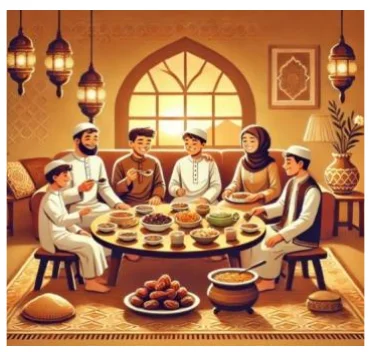
- Kids flying kites in spring.
- Children celebrating a birthday party.
- People watching fireworks in the city.
- A family having Iftar in Ramadan.
How do we celebrate Ramadan in Kuwait? Choose all correct answers.
كيف نحتفل برمضان في الكويت؟ اختر كل الإجابات الصحيحة.
- We pray Taraweeh.
- We waste food.
- We cook special food.
- We decorate houses.
- We fly kites under cherry trees.
- We read Quran.
- We visit our relatives.
The best title of the previous passage is....
أفضل عنوان للفقرة السابقة هو...
- A Kuwaiti Tradition
- Family Gatherings in Ramadan
- Taraweeh Prayer in Ramadan
- Celebrating Ramadan in Kuwait
One of the following statements is NOT TRUE.
أي من العبارات التالية ليست صحيحة؟
- Eid Al-Fitr celebrates the end of Ramadan
- “Neqsa” is a Kuwaiti tradition
- Taraweeh is a special prayer only in Ramadan
- Kids stay at homes during Gergee’an
What does “Neqsa” tradition teach us?
ماذا يعلمنا تقليد "النقصة"؟
- It teaches us to waste food and throw it away.
- It teaches us to eat alone and not share food.
- It teaches generosity, respect, and care for others.
- It teaches us to fly kites and compete with friends.
“Gergee’an” is more than just a fun celebration. How?
القرقيعان أكثر من مجرد احتفال ممتع. كيف؟
- It marks the change of season.
- It celebrates long summer days.
- It shows the beauty of cherry trees.
- It shows the importance of sharing, friendship, and community spirit.
What does the word “They” in paragraph 4 refer back to?
إلى ماذا تشير الكلمة التي تحتها خط في الفقرة الرابعة؟
- clothes
- songs
- traditions
- people
What is “Zakat”? Why is it important?
ماذا يُقصد بالزكاة؟ ما أهميتها؟
- Zakat is a charitable donation. It is to help those in need.
- Zakat is a special prayer. It is to read more of the Qur’an.
- Zakat is the second meal. It is to welcome guests at evening.
- Zakat is a Kuwaiti song. It is to collect sweets and nuts.
What is the writer’s purpose of this story?
ما هدف الكاتب من هذه القصة؟
- To tell us about kids fun in Ramadan
- To tell us about prayers in Ramadan
- To teach us how to dress in Eids
- To tell us how Ramadan is a special month for Muslims
The meaning / synonym of the underlined word “donation” is...
معنى/مرادف الكلمة التي تحتها خط...
- work hard to earn money
- sell things to get money
- spend money while shopping
- give money to the poor ones
Complete using a / an: put each word with the correct article.
أكمل باستخدام a / an.
- pencil = a
- boy = a
- plane = a
- class = a
- orange = an
- egg = an
- artist = an
- hour = an
I have ____ apple in my bag.
أكمل الجملة من الاختيارات.
There isn’t ____ milk in the fridge.
أكمل الجملة من الاختيارات.
Have you got ____ tea?
أكمل الجملة من الاختيارات.
She bought ____ umbrella yesterday.
أكمل الجملة من الاختيارات.
We don’t have ____ bread left.
أكمل الجملة من الاختيارات.
Do we have ____ oranges?
أكمل الجملة من الاختيارات.
There are ____ books on the table.
أكمل الجملة من الاختيارات.
I didn’t see ____ students in the class today.
أكمل الجملة من الاختيارات.
He wants to buy ____ new car.
أكمل الجملة من الاختيارات.
We need ____ water to cook the rice.
أكمل الجملة من الاختيارات.
Make negative. I have some friends in London. → I …… friends in London.
حوّل الجملة إلى النفي.
Make negative. She bought some apples from the market. → She …… apples from the market.
حوّل الجملة إلى النفي.
Make negative. We need some sugar for the cake. → We …… sugar for the cake.
حوّل الجملة إلى النفي.
Make negative. There are some chairs in the room. → There …… chairs in the room.
حوّل الجملة إلى النفي.
Make negative. He took some photos during the trip. → He …… photos during the trip.
حوّل الجملة إلى النفي.
Make negative. I saw some birds in the garden. → I …… birds in the garden.
حوّل الجملة إلى النفي.
Change into passive. The girl revises the lessons every day. → The lessons …… every day (by the girl).
حوّل الجملة إلى المبني للمجهول.
Change into passive. The people in the party enjoy the food. → The food …… in the party (by the people).
حوّل الجملة إلى المبني للمجهول.
Change into passive. I watch a nice movie on TV. → A nice movie …… on TV (by me).
حوّل الجملة إلى المبني للمجهول.
Change into passive. My father repairs the car at the garage. → The car …… at the garage (by my father).
حوّل الجملة إلى المبني للمجهول.
Change into passive. The boys play football in the club. → Football …… in the club (by the boys).
حوّل الجملة إلى المبني للمجهول.
Change into passive. My mother cooks dinner at 8 in the evening. → Dinner …… at 8 in the evening (by my mother).
حوّل الجملة إلى المبني للمجهول.
Change into passive. I must do the homework now. → The homework …… now (by me).
حوّل الجملة إلى المبني للمجهول.
Change into passive. Ahmad should feed the birds. → The birds …… (by Ahmad).
حوّل الجملة إلى المبني للمجهول.
Change into passive. Sarah will learn the irregular verbs. → The irregular verbs …… (by Sarah).
حوّل الجملة إلى المبني للمجهول.
Change into passive. You must pay money before you take the book. → Money …… before you take the book (by you).
حوّل الجملة إلى المبني للمجهول.
Change into passive. My father shall take Mona to school tomorrow. → Mona …… to school tomorrow (by my father).
حوّل الجملة إلى المبني للمجهول.
Change into passive. Eman may fix the computer. → The computer …… (by Eman).
حوّل الجملة إلى المبني للمجهول.
Change into passive. The boys could solve the puzzle easily. → The puzzle …… easily (by the boys).
حوّل الجملة إلى المبني للمجهول.
Change into passive. The teacher will explain the questions clearly. → The questions …… clearly (by the teacher).
حوّل الجملة إلى المبني للمجهول.
The car ____ in the garage every day.
اختر الإجابة الصحيحة.
- repairs
- is repair
- is repaired
- are repaired
English ____ in many countries around the world.
اختر الإجابة الصحيحة.
- can speak
- is spoken
- is speaking
- is speak
The rooms ____ carefully by the cleaners.
اختر الإجابة الصحيحة.
- clean
- cleaned
- are cleaned
- are clean
The project ____ by next week.
اختر الإجابة الصحيحة.
- will finishing
- is finish
- will be finished
- will finished
The homework ____ before the class starts.
اختر الإجابة الصحيحة.
- can do
- can done
- can be done
- can doing
The rules ____ by all students.
اختر الإجابة الصحيحة.
- should follow
- should followed
- should be followed
- should following
Behaviours in Celebrations: which behaviours should we follow and which should we avoid while celebrating?
السلوكيات أثناء الاحتفالات: أي السلوكيات يجب اتباعها وأيها يجب تجنبها؟
- give a present = I should
- offer some help = I should
- show appreciation = I should
- follow good manners = I should
- be rude = I shouldn’t
- make fights = I shouldn’t
- ask for extra food or drinks = I shouldn’t
Complete the diagram with things to do or not to do during a celebration.
أكمل المخطط بالأشياء التي يجب القيام بها أو تجنبها أثناء الاحتفال.
- be polite, respectful and kind to others = I should
- greet everyone with a smile and say nice words = I should
- share food and gifts with friends and family = I should
- thank the host for inviting us = I should
- shout or make too much noise = I shouldn’t
- waste food = I shouldn’t
- throw trash on the floor = I shouldn’t
- stay for too long at others’ house = I shouldn’t
Writing outline “A Special Celebration”: put each supporting detail in the correct paragraph.
مخطط الكتابة: ضع كل فكرة جزئية في الفقرة المناسبة.
- cleaned and decorated = Paragraph 1: Preparations for the Celebration
- big banner = Paragraph 1: Preparations for the Celebration
- delicious chocolate cake = Paragraph 1: Preparations for the Celebration
- fun games = Paragraph 2: Activities Within the Celebration
- sang “Happy Birthday” = Paragraph 2: Activities Within the Celebration
- took many photos = Paragraph 2: Activities Within the Celebration
Put the sentences of paragraph 1 of “A Special Celebration” in the correct order.
رتّب جمل الفقرة الأولى من موضوع «احتفال مميز».
- A celebration is the time to have fun.
- Last week, we had a big birthday party for my elder brother.
- First, we cleaned the house and decorated the living room with colorful balloons and shiny lights.
- We also made a big banner that said, “Happy Birthday!” and put it on the wall. My mother baked a delicious chocolate cake, and my sister helped me prepare some snacks and juice.
- Finally, we were excited to start the party.
Put the sentences of paragraph 2 of “A Special Celebration” in the correct order.
رتّب جمل الفقرة الثانية من موضوع «احتفال مميز».
- We enjoyed many nice activities at the party.
- First, we played fun games like musical chairs and guessing games.
- After that, we sang “Happy Birthday” and my brother blew out the candles.
- Everyone enjoyed the cake and food together while listening to music.
- Finally, we took many photos to remember the happy moments.
- It was a wonderful birthday celebration full of joy and laughter.
- I believe that everyone should enjoy celebrations the most.
Writing outline “Celebrating responsibly”: put each supporting detail in the correct paragraph.
مخطط الكتابة: ضع كل فكرة جزئية في الفقرة المناسبة.
- make too much noise = Paragraph 1: Negative behaviours during celebrations
- throw rubbish on the ground = Paragraph 1: Negative behaviours during celebrations
- fight with others = Paragraph 1: Negative behaviours during celebrations
- should respect others = Paragraph 2: Ways to avoid negative behaviours
- should keep the place clean = Paragraph 2: Ways to avoid negative behaviours
- should be polite = Paragraph 2: Ways to avoid negative behaviours
Put the sentences of paragraph 1 of “Celebrating responsibly” in the correct order.
رتّب جمل الفقرة الأولى من موضوع «الاحتفال بعقلانية».
- People enjoy celebrating different celebrations very much.
- Some people show bad behaviours during celebrations.
- For example, some people make too much noise and disturb others.
- Then, others throw rubbish on the ground and make the place dirty. Also, some fight with others.
- Finally, I think this makes celebrations less fun.
Put the sentences of paragraph 2 of “Celebrating responsibly” in the correct order.
رتّب جمل الفقرة الثانية من موضوع «الاحتفال بعقلانية».
- There are many ways to avoid bad behaviours during celebrations.
- First, people should respect others and keep their voices low.
- Then, they should keep the place clean. In addition, people should be polite to others.
- In conclusion, good manners help make a celebration more fun.
- I advise everyone to celebrate responsibly.
 مدرس لغة انجليزيةأرقام مدرسين لغة انجليزية
 مدرسة لغة انجليزيةأرقام مدرسات لغة انجليزية